Family Group Conferencing &
Family Group Decision-Making Training
The founders of CCMA (Dr. Char Berquist and Heather Blades) have been offering high-quality training in Family Group Conferencing (FGC) and Family Group Decision-Making (FGDM) since 2013. Audiences for these trainings have included court personnel, child welfare professionals, social workers, educators, community volunteers, and others.
What is FGC/FGDM?
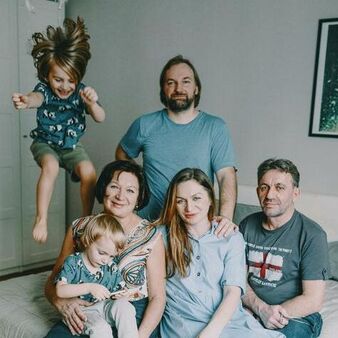
Family Group Conferences( FGCs) (also referred to as Family Group Decision-Making meetings) are family-led meetings in which family, friends, and other supportive people come together to make a plan to address difficulties or challenges faced by a family or individual.
FGCs are supported by independent facilitators, who help the family prepare for the FGC and guide the conference. In an FGC, families are empowered to express their needs, verbalize their concerns, identify resources, and create their own robust plans to support the family or individual in managing challenges, which vary by the context in which the process is used.
Outside agencies involved in the life of the family or individual may provide information on things that the family should address in their plan, but the family and their friends and supports decide the best way to acheive their goals.
FGCs are supported by independent facilitators, who help the family prepare for the FGC and guide the conference. In an FGC, families are empowered to express their needs, verbalize their concerns, identify resources, and create their own robust plans to support the family or individual in managing challenges, which vary by the context in which the process is used.
Outside agencies involved in the life of the family or individual may provide information on things that the family should address in their plan, but the family and their friends and supports decide the best way to acheive their goals.
Contexts for FGC/FGDM Training

Typically these trainings are grant-funded and focus on the use of Family Group Conferencing and Family Group Decision-Making in a variety of contexts, including:
- To support families in the child welfare system as they work towards permanency (either returning to their families of origin or in adoption).
- To help secure emergency placement for children removed from the home due to abuse or neglect, and to support their caregivers.
- For parents receiving substance abuse treatment, to support their recovery and ensure the well-being of their children.
- For at-risk youth struggling with issues including juvenile offending, truancy, and academic concerns.
- To support elder adults in safely remaining independent in their own homes and communities.
- To support families struggling with long-term care needs for a child or adult family member.
- Plus much more!
About FGC/FGDM Training with CCMA
CCMA's founders Dr. Charlene Berquist and Heather Blades have been offering highly interactive and research-based FGC/FGDM training and services for nearly a decade. Our virtual facilitator training is grounded in the key fidelity elements that make FGC/FGDM a family-focused and effective process.
CCMA customizes training to meet the needs of the partnering agency or group. Typically FGC/FGDM training covers:
CCMA customizes training to meet the needs of the partnering agency or group. Typically FGC/FGDM training covers:
- the philosophical underpinning of the FGC/FGDM model;
- the goals and benefits of the process;
- appropriate behaviors, role, and responsibilities for a facilitator;
- strategies for building strong family support networks;
- how to prepare family members for an FGC/FGDM meeting; and
- how to effectively coordinate an FGC/FGDM meeting.
Past Training Clients
Past training clients have included Great Circle, Alternative Opportunities with Preferred Family Healthcare, the Omaha Tribe Peacemaker Project, the Healthy Families Taskforce, Missouri State University, the Greene County Juvenile Justice Center, and the Office of Dispute Resolution and Family Court Programs in the 7th Judicial Circuit.
|
|
|
|
|

|

|
Contact CCMA
Contact us for more information on offering a virtual FGC/FGDM training for your group or organization.
